



Plastic Injection Mold: Konstruktion, Kosten, and Manufacturing Checklist
Plastic injection mold projects succeed when buyers review design manufacturability, tooling cost drivers, supplier capability, and production timelines before steel cutting starts. Mold cost depends on complexity, Karies, Toleranzen, and steel type. Buyers should confirm CAD files, Harzauswahl, inspection plans, and shipping expectations early to avoid redesign costs, launch delays, and production-quality problems.
A mold quote can look straightforward until production starts. Then hidden issues appear: design revisions, unclear tolerances, missed approvals, or tooling delays that push back launch schedules. Buyers who understand the manufacturing process early usually avoid the most expensive mistakes. This guide explains what affects tooling cost, what suppliers need before quoting, and what to check before approving production tooling.
What is a plastic injection mold and what does the buyer actually pay for?
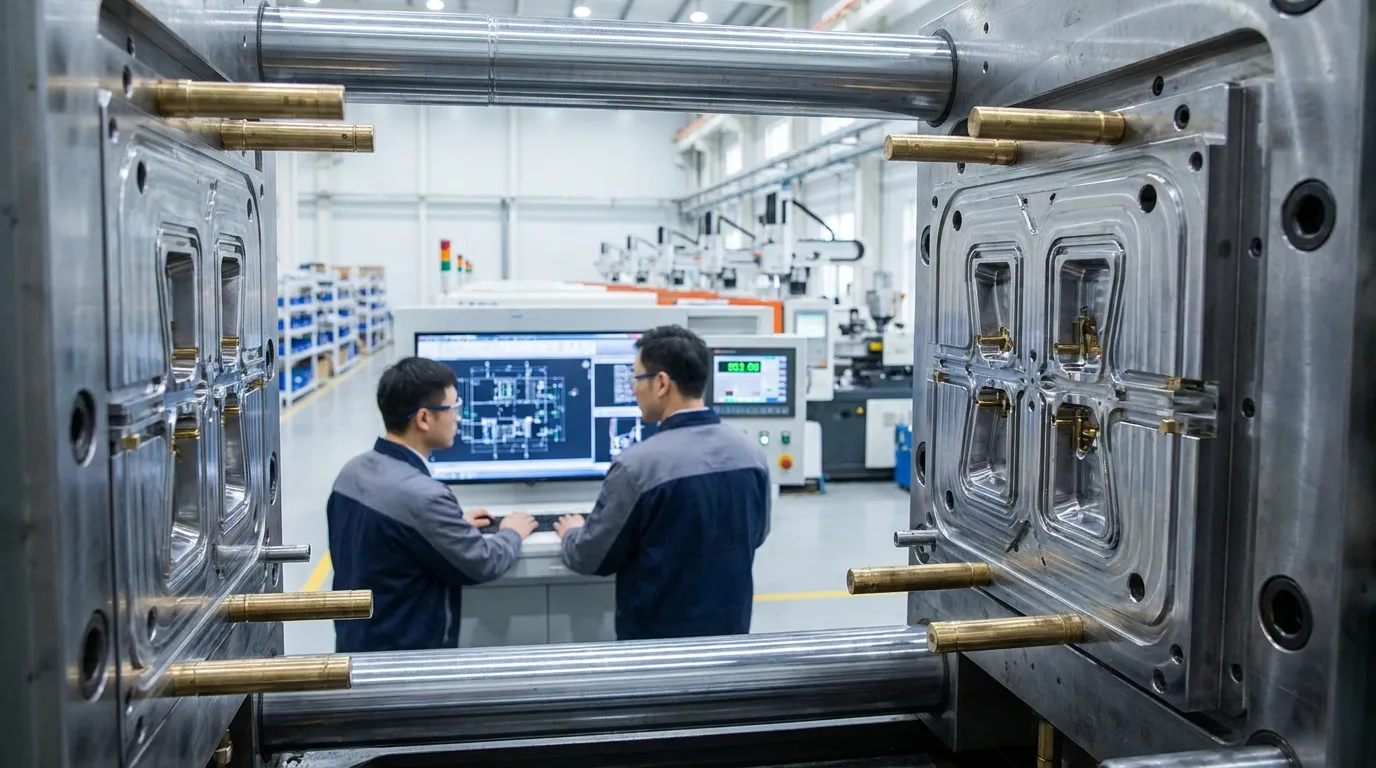
A plastic injection mold is the tooling system used to form plastic parts repeatedly at production scale. Buyers are paying for engineered tooling, machining precision, Kühlsysteme, Validierung, and long-term production stability, not just a metal block.
A production mold includes far more than the cavity that shapes the part. It also includes cooling channels, Ejektorsysteme, alignment components, machining work, Polieren, Validierung, and process engineering. If you need a refresher on tooling terminology, Genau das Grundlagen der Spritzgussform guide explains the main systems in more detail.
Most suppliers also include design-for-manufacturing (DFM) review before cutting steel. Laut Protolabs Formbarkeitsleitfaden, Teilgeometrie, Wanddicke, and gate placement directly affect manufacturability and tooling complexity.
Buyers are usually paying for these areas:
- Formbasis und Stahlkomponenten
- Kern- und Hohlraumbearbeitung
- Kühl- und Auswurfsysteme
- DFM-Überprüfung und technische Unterstützung
- Stichproben- und Validierungsläufe
- Oberflächenveredelung und Polieren
- Produktionsbereitschaftstests
Low-cost tooling is not always cheaper long term. A cheaper mold that requires repeated repairs or unstable production cycles often costs more over the life of the project.
How much does a plastic injection mold cost in 2026?
Plastic injection mold cost depends mainly on part complexity, Anzahl der Hohlräume, Stahlqualität, Toleranzanforderungen, und erwartetes Produktionsvolumen. Simple prototype molds may cost far less than hardened multi-cavity production tools designed for long lifecycle manufacturing.
A small prototype mold with loose tolerances is very different from a hardened steel production tool running hundreds of thousands of cycles. Buyers sometimes compare quotes without realizing the suppliers are quoting different tooling standards.
What increases tooling cost fastest?
Part complexity usually drives pricing faster than part size. Undercuts, side actions, textured finishes, thin walls, and tight tolerances all increase machining time and validation work.
Multi-cavity molds are not automatically the best choice. They improve production output, Aber sie erhöhen auch die Anforderungen an das Ausgleich, cooling complexity, und Reparaturkosten.
Kostenaufschlüsselung der Spritzgussform
| Formtyp | Typische Verwendung | Kariesanzahl | Stahltyp | Erwarteter Lebenszyklus | Relative Kosten |
|---|---|---|---|---|---|
| Prototypform | Frühe Tests | 1 | Aluminium oder weicherer Stahl | Geringes Volumen | Lower |
| Brückenwerkzeuge | Mittlere Produktion | 1-2 | Vorgehärteter Stahl | Mittleres Volumen | Medium |
| Produktionsform | Langzeitfertigung | 2-8 | Gehärteter Stahl | Großes Volumen | Höher |
| Hochpräzisionsform | Teile mit engen Toleranzen | Mehrfach-Kavität | Premium-gehärteter Stahl | Sehr hohes Volumen | Höchster |
A startup consumer electronics company may begin with a simpler prototype mold to validate fit and assembly. If annual demand grows later, they often move to hardened steel tooling with additional cavities for production efficiency.
Another common cost driver is design revision timing. A buyer who changes wall thickness after steel cutting may add weeks of machining revisions and extra validation cycles.
What design details should buyers review before approving tooling?
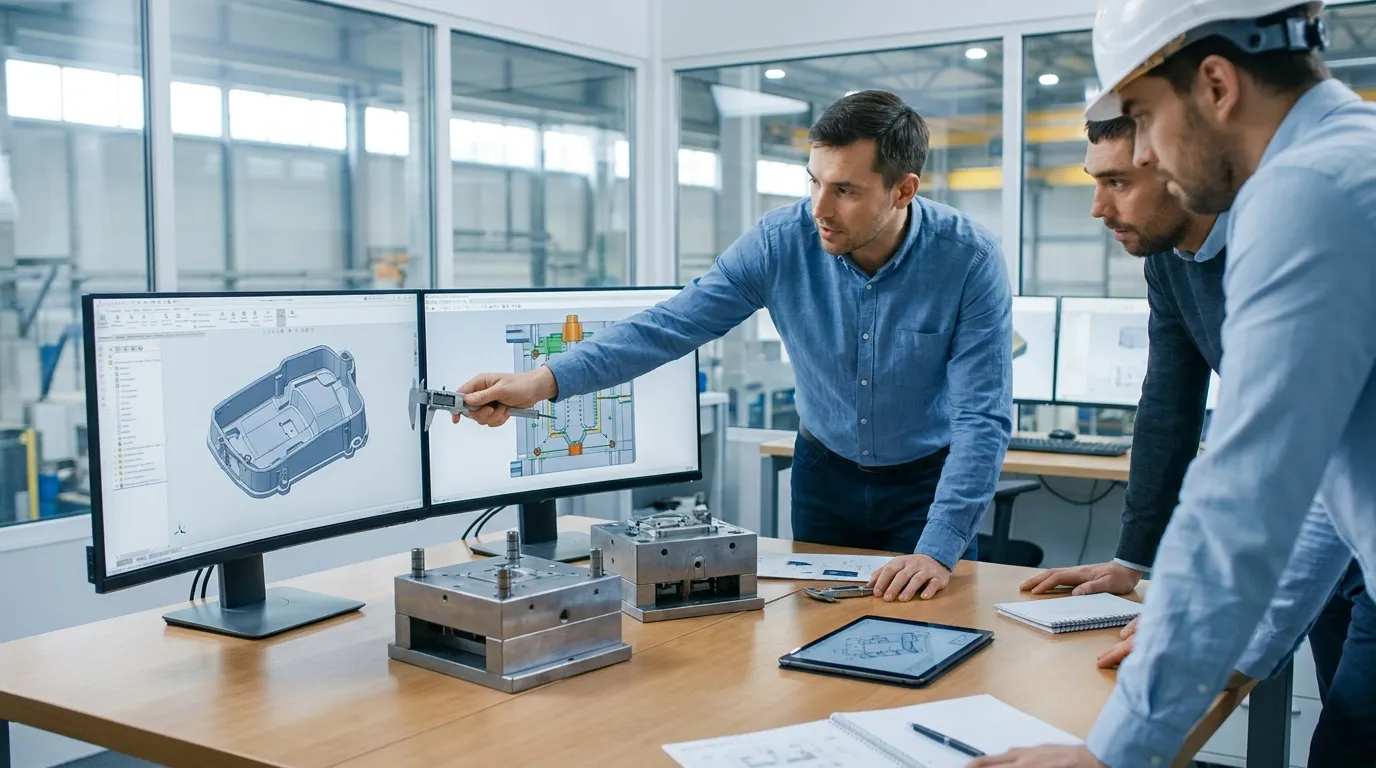
Buyers should review wall thickness consistency, Zugwinkel, Undercuts, rib dimensions, and parting line placement before tooling approval. Small design oversights before steel cutting often create the largest timeline and cost overruns later.
Most tooling delays begin with design decisions that looked harmless during CAD review. Once machining starts, even small geometry changes can require major tooling revisions.
Laut Protolabs Injektionsguss-Designtipps, consistent wall thickness helps reduce warping, Sinkspuren, and filling problems. Draft angles also help parts eject cleanly from the mold without surface damage.
Which design changes become expensive after steel cutting?
Undercut changes are one of the biggest risks. Side actions and slides require additional machining and alignment work. Moving a parting line late in the project can also force cavity rework.
Rib thickness is another common issue. Thick ribs may create sink marks or uneven cooling. Thin ribs can create filling problems. Buyers should review these details during DFM approval, not during production troubleshooting.
If your design uses internal support features, this guide on Kernstift-Design explains how pin geometry affects molding stability and cooling performance.
Designprüfungscheckliste vor der Genehmigung des Werkzeugs
- Ziehungswinkel an vertikalen Wänden bestätigen
- Überprüfung der Wanddickenkonsistenz
- Identifizieren Sie Undercuts und Nebenaktionen
- Rippenmaße überprüfen
- Gate-Standorte bestätigen
- Überprüfung der Platzierung der Trennlinien
- Überprüfen Sie toleranzkritische Bereiche
- Bestätigung der kosmetischen Oberflächenanforderungen
A buyer can sometimes reduce tooling cost significantly by simplifying undercuts or removing unnecessary side actions before machining starts.
What information should you send to an injection mold supplier?
Suppliers cannot provide accurate tooling feedback without complete CAD files, resin requirements, Erwartetes Produktionsvolumen, tolerance expectations, and cosmetic standards. Missing information often causes quote revisions, redesign work, and tooling delays.
The best supplier conversations happen before quoting starts. If the supplier receives incomplete information, the quote often includes assumptions that create problems later.
Buyers should provide:
- 3D-CAD-Dateien
- Harz- oder Materialanforderungen
- Jährliche Produktionsmenge
- Kosmetische Finish-Erwartungen
- Toleranzanforderungen
- Montagedetails
- Verpackungsanforderungen
- Ziel-Produktionszeitplan
A packaging supplier producing millions of parts per year may need hardened steel tooling and aggressive cooling systems. A startup building small pilot runs may not need the same tooling specification.
Alignment details also matter during early review. This article on Führungsstift-Ausrichtung explains how alignment systems affect mold accuracy and long-term wear.
How long does plastic injection mold manufacturing usually take?
Most production injection mold projects take several weeks to several months depending on mold complexity, sampling rounds, design revisions, and production validation requirements. Delays often happen after tooling changes or incomplete approvals.
Simple tooling may move quickly, but production-grade molds often require multiple stages before launch approval. Laut Evok Polys Überblick über die Vorlaufzeit, tooling complexity and validation cycles are major timeline factors.
Typischer Zeitrahmen der Formherstellung
| Bühne | Typische Aktivität |
|---|---|
| DFM-Rezension | Herstellbarkeitsprüfung und Designfeedback |
| Formdesign | Kern, Hohlraum, Kühlung, and gate planning |
| Stahlschnitt | Bearbeitung und EDM-Arbeit |
| Versammlung | Formanbau und Ausrichtung |
| T1-Probenahme | Erste Testschüsse |
| Überarbeitungszyklus | Werkzeuganpassungen bei Bedarf |
| Validierung | Endgültige Produktionsgenehmigung |
| Schifffahrt | Fracht- und Zollabwicklung |
Faster tooling timelines are not always safer. Some suppliers shorten validation time to appear competitive during quoting. That creates higher production-launch risk later.
What causes tooling delays most often?
Design revisions after steel cutting are one of the biggest causes. Sampling failures, incomplete approvals, material changes, and shipping paperwork problems also extend schedules.
A common example is a buyer approving CAD files before finalizing resin selection. If shrink rates change later, the supplier may need tooling adjustments before production approval.
What should buyers check before mold steel cutting starts?
Before steel cutting begins, buyers should confirm approved CAD files, Harzauswahl, Torstandort, tolerance standards, inspection methods, and ownership terms. Fixing mistakes after machining starts is significantly more expensive and slower.
Steel cutting is the point where tooling moves from engineering review into expensive machining work. Buyers should treat this stage like a formal approval gate.
If tooling components need precision alignment and wear resistance, this article about Formbuchsen explains how these systems support mold accuracy and service life.
Checkliste für die Genehmigung vor dem Stahlschnitt
| Genehmigungspunkt | Warum es wichtig ist |
|---|---|
| Endgültige CAD-Genehmigung | Verhindert Kosten für Geometrie-Überarbeitungen |
| Harzbestätigung | Beeinflusst die Schrumpfrate und die Kühlung |
| Genehmigung des Torstandorts | Auswirkungen auf Füllung und Kosmetik |
| Toleranzabkommen | Vermeidt Inspektionsstreitigkeiten |
| Genehmigung der Oberflächenoberfläche | Verhindert Nachpolierungsverzögerungen |
| Inspektionsplan | Definiert Akzeptanzkriterien |
| Stichprobenerwartungen | Klarstellung des Validierungsprozesses |
| Nutzungsbedingungen für Werkzeuge | Verhindert zukünftige Streitigkeiten |
| Schiffszeitplan | Verringert das Risiko der Startplanung |
A supplier quote comparison can reveal major differences here. One supplier may include multiple sampling revisions, while another charges separately for each correction cycle. Buyers should compare these details before approval, not after production problems appear.
How do you compare injection mold suppliers effectively?
Supplier evaluation should focus on process control and communication quality, not only pricing. A lower quote may exclude validation work, production support, or tooling revisions.
Laut Rodon Group Sourcing-Checkliste, buyers should ask about quality systems, tooling ownership, validation procedures, and production experience early in the quoting process.
Lieferantenvergleichscheckliste
| Bewertungsgebiet | Was Käufer fragen sollten |
|---|---|
| Werkzeugfähigkeit | Can they build similar molds? |
| Validierungsprozess | How many sampling rounds are included? |
| Qualitätssysteme | What inspection methods are used? |
| Kommunikation | How quickly do they respond to revisions? |
| Schimmelpflege | Do they support long-term servicing? |
| Transferunterstützung | Can tooling move to another facility if needed? |
A buyer sourcing high-volume packaging parts may prioritize cycle-time optimization and cavity balancing. A medical-device startup may focus more on documentation and validation support.
Warnzeichen während der Lieferantenbewertung
Slow engineering feedback is usually a bad sign. Suppliers who avoid detailed DFM discussions often create more production problems later.
Another warning sign is vague tooling specifications. If the quote does not clearly define steel type, included validation rounds, or tooling ownership terms, buyers should ask for clarification before approving the project.
For broader process context, Sunshine Pro's Gussformherstellungsprozess guide explains how tooling systems move from engineering into production.
What customs and shipping delays should buyers plan for?
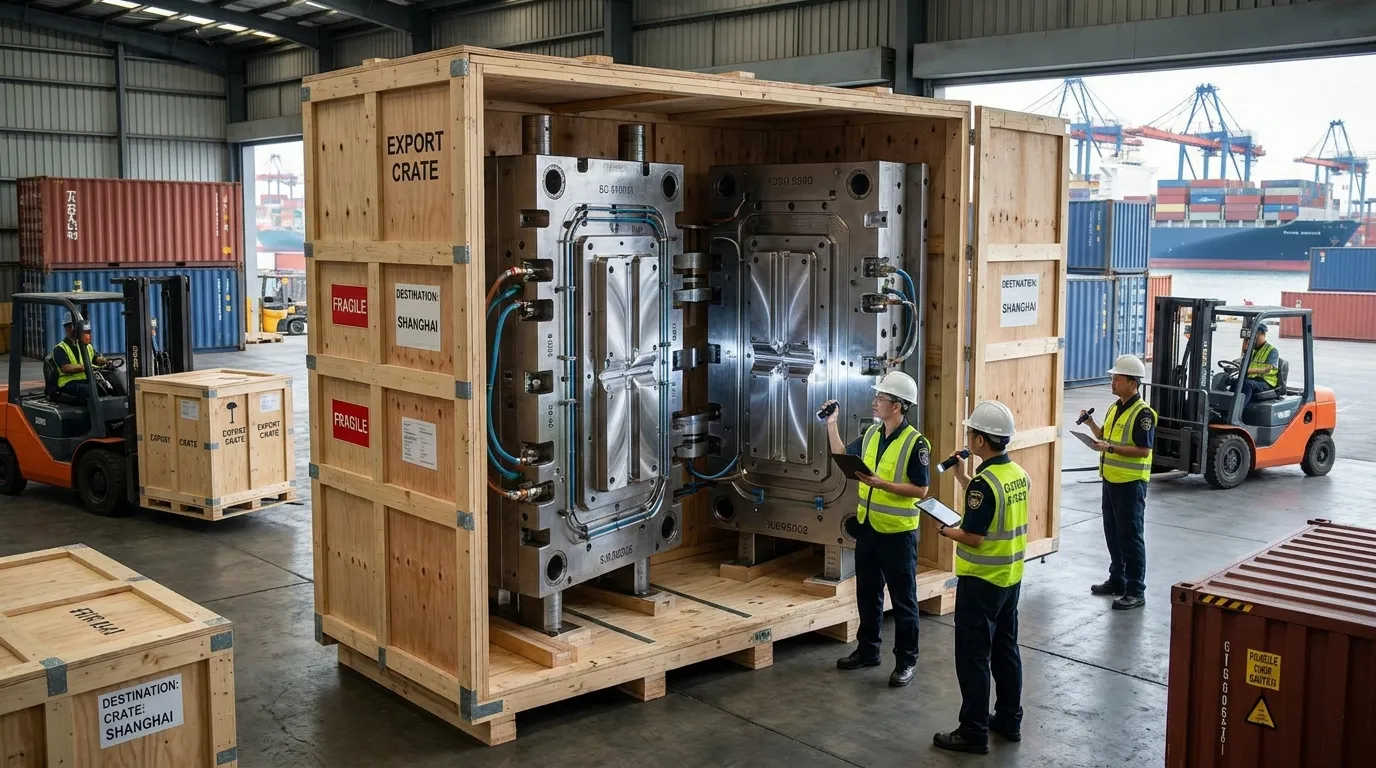
Injection mold delivery timelines can be affected by customs inspections, incomplete shipping paperwork, anti-dumping regulations, and freight delays. Buyers should build timeline buffers into launch schedules instead of relying on optimistic shipping estimates.
Many buyers plan around tooling completion dates but forget about shipping uncertainty. International mold shipments may face customs inspections, port delays, or missing documentation issues.
Trade rules can also affect import timing and costs. Genau das Referenz zur Antidumping-Zoll shows how trade actions can affect imported manufacturing materials and components.
Checkliste für Versand- und Zollrisikos
- Bestätigen Sie die Genauigkeit der gewerblichen Rechnungen
- Überprüfen Sie die Unterlagen zum Werkzeugbesitz
- Überprüfen Sie die Bedingungen der Versandversicherung
- Bereite Startpufferzeiten in Zeitpläne ein
- Überprüfen Sie die Anforderungen an Box und Verpackung
- Verfolgen Sie Zolldokumente vor der Abfahrt
A mold shipment delayed by customs paperwork can easily disrupt a production launch window. Buyers planning aggressive launch schedules should build contingency time into supplier agreements.
Endgültige Käufer-Checkliste vor der Genehmigung eines Kunststoff-Spritzgussprojekts
Vor der Genehmigung der Werkzeuge, buyers should confirm technical requirements, supplier capability, validation scope, and delivery timing. Most expensive tooling mistakes happen because one of these areas was assumed instead of documented.
Use this final checklist before approval:
- Abschließen Sie die Auswahl von CAD und Harz
- Bestätigung der Hohlraumanzahl und des Werkzeugstahls
- Überprüfen Sie die DFM-Empfehlungen sorgfältig
- Clarify beinhaltete Stichprobenüberarbeitungen
- Definition von Inspektions- und Validierungsstandards
- Überprüfen Sie die Nutzungsbedingungen für Werkzeuge
- Versand- und Zollplanung bestätigen
- Überprüfen Sie die Wartungserwartungen
- Richten Sie den Startzeitplan auf realistische Vorlaufzeiten an
Den nächsten Schritt richtig machen
A plastic injection mold project becomes easier to manage when buyers focus on manufacturability and communication before steel cutting starts. The strongest projects usually have clear documentation, realistic timelines, and detailed supplier reviews from the beginning.
If you're comparing suppliers or reviewing a new product launch, start with the engineering details first. Cost matters, but long-term tooling stability, validation support, and production readiness usually have a bigger impact on manufacturing success.
Sie können auch Sunshine Pros überprüfen Vollständiger Leitfaden für Formkomponenten for a broader overview of mold systems and tooling components.
Häufig gestellte Fragen
How much does a plastic injection mold usually cost?
Plastic injection mold cost depends on part complexity, Anzahl der Hohlräume, Stahltyp, Toleranzen, und erwartetes Produktionsvolumen. Prototype tooling is usually less expensive than hardened production molds designed for high-volume manufacturing.
How long does it take to manufacture an injection mold?
Injection mold manufacturing may take several weeks or months depending on tooling complexity, validation cycles, and supplier workload. Delays often happen when design changes are requested after machining begins.
Why is injection molding tooling expensive?
Tooling requires precision machining, Technisch entwickelte Kühlsysteme, hardened steel components, und Validierungstests. Higher-volume molds also need stronger materials and tighter tolerances to maintain stable production.
What information should I send to a mold supplier?
Buyers should provide CAD files, resin requirements, Jährliche Produktionsmenge, tolerance expectations, Kosmetische Anforderungen, and assembly details. Incomplete information often leads to inaccurate quotes and tooling delays.
How long do injection molds last?
Mold lifespan depends on steel quality, Harz-Abrasivität, Wartungspraktiken, und Produktionsvolumen. Hardened production molds can support very high cycle counts when maintained properly.
What causes injection mold project delays?
Common delays include late design revisions, incomplete approvals, sampling failures, shipping problems, and customs inspections. Weak communication between buyer and supplier can extend timelines even further.
Teilen:



Geschrieben von Sunshine
Bei Sunshine, Wir sind ein professioneller Hersteller und Lieferant von Präzisionsformkomponenten, bietet ein breites Produktsortiment für Stange- und Spritzgussanwendungen. Unser Kernfokus liegt auf dem Stanzen von Stempeln, Auswurfstifte und -hülsen, sowie Führungspfosten und Buchsen. Mit fortschrittlicher CNC-Bearbeitung, Strenge Qualitätskontrolle, und starke Produktionskapazitäten, Wir sorgen für Zuverlässigkeit, Hochpräzisionsteile, zusammen mit vorrätigen Standardkomponenten für schnelle und effiziente weltweite Versorgung.
NACHRICHTEN
EMPFANG SERVICE
Mit hochwertigen Teilen für jedes Budget und freundlichem Personal, das geschult ist, um Ihren Besuch informativ und unkompliziert zu gestalten.
